The Department aims to impart quality education to the students and is committed to preparing them as exemplary community health nurses. The department creatively plans all its activity towards strengthening the humane technical skills of the students to enable them to provide quality services to individual family and community.
Community Health Nursing department is committed to develop future leaders in community health nursing who ensure the delivery of safe, quality, equitable, evidence – based and community centred nursing services that promote health, prevent disease and empower individuals, families and community.
To render safe, compassionate and culturally sensitive nursing services
To conduct regular health education sessions.
To integrate current research and guidelines into nursing protocols.
To impart peer learning and participatory strategies to strengthen staff competence.
To strengthen inter-disciplinary collaboration with public health, social services and local Organization.
Patient - Centred Care : Respect cultural, social and individual needs while fostering dignity and trust.
Evidence-Based Practice : Apply current research, guidelines and preventive strategies and preventive strategies in all nursing interventions
Equity & Accessibility : Guarantee fair access to health services, especially for vulnerable and underserved populations
Community Engagement : Collaborate with communities through participatory learning, health education and empowerment initiatives
Continuous Quality Improvement : Monitor outcomes evaluate process and integrate feedback for ongoing quality enhancement
Inter-disciplinary Collaboration : Work with health care teams, social services and community organizations to provide holistic care
Capacity Building : Train and support nursing staff through simulation, peer learning and professional development.
Ethical Practice : Uphold integrity, confidentiality and accountability in all aspects of care delivery.
| Strategic Goal | Strategic Initiatives / Action Plan | Key Performance Indicator (KPI) |
|---|---|---|
| 1. Enhance Academic Excellence | Implement Outcome-Based Education (OBE), innovative teaching methods, field-based simulation, OSCE/OSPE, ICT-enabled learning, bridge courses, and remedial programmes for Community Health Nursing subjects. | ≥95% University pass percentage, improved student performance and satisfaction in Community Health Nursing theory and practical examinations. |
| 2. Strengthen Clinical & Community Field Competency | Provide competency-based field training in Primary Health Centres (PHCs), Community Health Centres (CHCs), Urban Health Centres, Sub-Centres, family postings, and school health settings; conduct household health surveys, clinical skill demonstrations, and community simulation sessions. | 100% students achieve prescribed community health competencies and complete practical logbooks and family study folders. |
| 3. Promote Research and Evidence-Based Practice | Encourage faculty and student research projects in community health and epidemiology, publications in indexed journals, paper presentations at national/international conferences, journal clubs, and evidence-based public health interventions. | Minimum two research publications/presentations annually and increased community-based research activities. |
| 4. Develop Faculty Competence | Organize Faculty Development Programmes (FDPs), Continuing Nursing Education (CNE), workshops, and seminars in public health advancements; encourage higher education, certifications, and active participation in professional bodies. | 100% faculty participation in at least one FDP/CNE every year. |
| 5. Strengthen Community Outreach & Public Health Initiatives | Conduct school health programmes, immunization awareness drives, nutritional assessment and education camps, environmental hygiene projects, lifestyle disease screening, and observe national/international health days. | Minimum six community outreach programmes conducted annually in adopted villages and service areas. |
| 6. Ensure Quality Assurance and Continuous Improvement | Conduct academic and clinical/field training audits, collect stakeholder feedback (students, community members, health authorities), monitor learning outcomes, and implement Corrective and Preventive Actions (CAPA). | Two academic and field performance audits annually with documented action taken reports. |
| 7. Foster Student Professional & Ethical Development | Conduct structured mentoring, counselling, field leadership training, community communication skill programmes, public health ethics sessions, and encourage participation in SNA, NSS, and extra-curricular health drives. | 100% mentor-mentee meetings conducted; improved student participation, leadership, and professional behaviour in community settings. |
| 8. Upgrade Infrastructure and Learning Resources | Upgrade Community Health Nursing Laboratory, museum models, home nursing kits, epidemiology digital resources, field survey tools, library references, and ICT infrastructure. | Annual enhancement of laboratory equipment, community survey tools, and digital learning resources. |
| 9. Promote Family- and Community-Centred Care | Integrate family-centred care, cultural sensitivity, epidemiology principles, primary health care models, health counseling, and health education principles into classroom teaching and community postings. | Improved student competency in providing holistic, family- and community-centred primary health care. |
| 10. Strengthen Collaboration and Professional Networking | Collaborate with Primary Health Centres, NGOs, local self-government bodies (Panchayats), public health departments, professional organizations (TNAI, NRSI), and academic institutions for field exposure, inter-sectoral research, and continuing education. | Increased collaborative health programmes, MoUs, invited expert lectures, and community academic partnerships. |
| Monitoring Activity | Frequency | Responsible Authority |
|---|---|---|
| Department Review Meeting | Monthly | Head of Department |
| Academic Performance Review | Every Semester | HOD & Faculty Members |
| Clinical & Community Posting Assessment | During Each Posting | Clinical Instructors & Faculty |
| Research Progress Review | Quarterly | Department Research Coordinator & HOD |
| Stakeholder Feedback Analysis | Annually | IQAC & Department Committee |
| Internal Academic & Administrative Audit (IAAA) | Annually | IQAC |
| Strategic Plan Review | Annually | Principal, HOD & IQAC |
Excellence in Community Health Nursing education aligned with INC and KUHS standards.
Competent graduates capable of delivering safe, evidence-based, preventive, promotive, and family-centred community health nursing care.
Increased research output, epidemiological studies, and scholarly public health contributions.
Continuous faculty development, professional excellence, and active engagement in public health initiatives.
Enhanced community engagement, inter-sectoral coordination, and health promotion across rural and urban populations.
Effective quality assurance through regular academic/field monitoring and continuous quality improvement.
Modernized teaching-learning infrastructure, fully equipped community health labs, and technology-enabled field learning tools.
Development of ethical, compassionate, culturally competent, and professionally accountable community health nurses.
| SL.NO | NAME | DESIGNATION | PHOTO |
| 01. | MRS. ZAINA ELIZABETH JOSE | PROFESSOR CUM HoD |
|
| 02. | MRS. USHUS JOSE | PROFESSOR |
|
| 03. | MRS. MERCY RUTH | ASSOCIATE PROFESSOR |
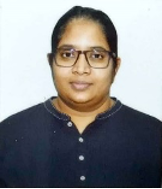
|
| 04. | MR. NOWFEL PM | ASSISTANT PROFESSOR |

|
| 05. | MRS. SHINCY K | ASSISTANT PROFESSOR |
|
| 06. | MRS. MUTHUKUMARI | ASSISTANT PROFESSOR |
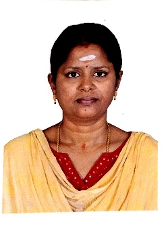
|
| 07. | MRS. KAVITHA K | ASSISTANT PROFESSOR |
|
| 08. | MRS. NIMITHA | TUTOR |
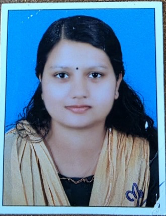
|
| 09. | MS. GAYATHRI | TUTOR |

|
Yes. Community Health Nurses play a vital role in disease prevention through health education, immunisation programs, early screenings, and community awareness. Their work helps reduce health risks, promote healthy lifestyles, and protect the well-being of individuals and communities.
The department prepares students to address healthcare challenges in rural and urban communities through field visits, health awareness campaigns, and preventive healthcare initiatives, making it a valuable program at a leading Nursing College in Palakkad.