Envisions a future where child health nurses are at the forefront of paediatric care, ensuring that every child receives high-quality, family-centred healthcare. Foster a culture of continuous learning, research, and advocacy for children's health, both locally and globally.
Provide a safe and innovative learning environment for the students to develop knowledge, skills, and compassion necessary to deliver exceptional care to paediatric patients. Empower future child health nurses with the tools and expertise to promote the well-being of children and families through evidence-based practice and holistic care.
The Department of Child Health Nursing of P.K. Das College of Nursing is committed to excellence in paediatric nursing education, clinical practice, research, and community service. The department strives to provide holistic, child- and family-centred nursing education through outcome-based teaching, evidence-based practice, ethical standards, and continuous quality improvement, thereby preparing competent nursing professionals capable of meeting the health needs of children and society.
To impart comprehensive theoretical knowledge and practical skills in Child Health Nursing in accordance with INC, KUHS, and institutional standards.
To promote child- and family-centred care through effective clinical training in paediatric wards, neonatal units, and community settings.
To integrate simulation-based learning, innovative teaching strategies, and technology-enabled education to enhance clinical competence.
To encourage evidence-based practice, research activities, and scholarly publications in the field of child health nursing.
To enhance faculty competence through continuous professional development and pedagogical training.
To inculcate ethical values, legal responsibilities, and professional accountability in paediatric nursing practice.
To strengthen community outreach programmes focusing on child health promotion, disease prevention, and national health programmes.
To ensure continuous monitoring, evaluation, and improvement of academic and clinical outcomes through quality assurance mechanisms.
Child-Centred Care : Upholding the dignity, rights, safety, and holistic well-being of every child.
Family Partnership : Recognizing and respecting the role of family in child health and caregiving.
Professional Excellence : Commitment to competence, accountability, and lifelong learning.
Ethical Practice : Adherence to ethical principles, compassion, and integrity in all professional activities.
Evidence-Based Practice : Application of scientific knowledge and research to paediatric nursing care.
Innovation : Adoption of modern teaching methods, simulation, and technology in nursing education.
Community Commitment : Active involvement in community-based child health initiatives and social responsibility.
Quality and Safety : Ensuring high standards of care, patient safety, and continuous quality improvement.
| Strategic Goal | Strategic Initiatives / Action Plan | Key Performance Indicator (KPI) |
|---|---|---|
| 1. Enhance Academic Excellence | Implement Outcome-Based Education (OBE), innovative teaching methods, simulation-based learning, OSCE, ICT-enabled teaching, bridge and remedial programmes. | ≥95% University pass percentage, improved student performance and satisfaction. |
| 2. Strengthen Clinical Competency | Provide competency-based clinical training in NICU, PICU, Paediatric Ward, Immunization Clinic, and Community; conduct skill demonstrations and simulation sessions. | 100% students achieve prescribed clinical competencies and complete logbooks. |
| 3. Promote Research and Evidence-Based Practice | Encourage faculty and student research projects, publications, paper presentations, journal clubs, and evidence-based clinical practice. | Minimum two research publications/presentations annually and increased research activities. |
| 4. Develop Faculty Competence | Organize Faculty Development Programmes (FDPs), Continuing Nursing Education (CNE), workshops, seminars, and encourage higher education and certifications. | 100% faculty participation in at least one FDP/CNE every year. |
| 5. Strengthen Community Outreach | Conduct school health programmes, immunization awareness, nutrition education, child health camps, health education, and observe national/international health days. | Minimum six community outreach programmes conducted annually. |
| 6. Ensure Quality Assurance and Continuous Improvement | Conduct academic and clinical audits, collect stakeholder feedback, monitor learning outcomes, and implement corrective and preventive actions (CAPA). | Two academic/clinical audits annually with documented action taken reports. |
| 7. Foster Student Professional Development | Conduct mentoring, counselling, leadership training, communication skill programmes, ethics sessions, and encourage participation in SNA and extracurricular activities. | 100% mentor-mentee meetings conducted; improved student participation and professional behaviour. |
| 8. Upgrade Infrastructure and Learning Resources | Upgrade paediatric nursing laboratory, simulation facilities, digital learning resources, library references, and ICT infrastructure. | Annual enhancement of laboratory equipment and digital learning resources. |
| 9. Promote Child- and Family-Centred Care | Integrate family-centred care principles into classroom teaching, clinical practice, counselling, and patient education. | Improved student competency in providing holistic child- and family-centred care. |
| 10. Strengthen Collaboration and Professional Networking | Collaborate with hospitals, community agencies, professional organizations, and academic institutions for clinical exposure, research, and continuing education. | Increased collaborative programmes, MoUs, invited lectures, and academic partnerships. |
| Monitoring Activity | Frequency | Responsible Authority |
|---|---|---|
| Department Review Meeting | Monthly | Head of Department |
| Academic Performance Review | Every Semester | HOD & Faculty Members |
| Clinical Competency Assessment | During Each Clinical Posting | Clinical Instructors & Faculty |
| Research Progress Review | Quarterly | Research Coordinator & HOD |
| Stakeholder Feedback Analysis | Annually | IQAC & Department Committee |
| Internal Academic & Administrative Audit (IAAA) | Annually | IQAC |
| Strategic Plan Review | Annually | Principal, HOD & IQAC |
Excellence in Child Health Nursing education aligned with INC and KUHS standards.
Competent graduates capable of delivering safe, evidence-based, and family-centred paediatric nursing care.
Increased research output and scholarly contributions.
Continuous faculty development and professional excellence.
Enhanced community engagement for child health promotion.
Effective quality assurance through regular monitoring and continuous improvement.
Modernized teaching-learning infrastructure supporting simulation and technology-enabled education.
Development of ethical, compassionate, and professionally accountable child health nurses.
| SL.NO | NAME | DESIGNATION | PHOTO |
| 01. | Prof. Dr. Ariyalakshmi B | Professor cum HOD |
|
| 02. | Mr. John Livingston | Associate Professor |

|
| 03. | Mrs. Dhanya R | Associate Professor |
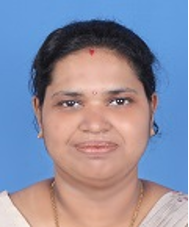
|
| 04. | Mrs. Rani G S | Assistant Professor |
|
| 05. | Mrs. Krishna Prabha P K | Assistant Professor |
|
| 06. | Mrs. Chitra G | Lecturer |

|
| 07. | Mrs. Sumi K Mathew | Lecturer |

|
| 08. | Mrs. Sruthy V | Lecturer |
|
| 09. | Mrs. Anjali Krishna | Tutor |

|
| 10. | Mrs. Agnes D | Tutor |

|
Child Health Nursing combines specialised pediatric care with strong career opportunities. It prepares students to care for infants, children, and adolescents while building the skills needed for a rewarding nursing career in India and abroad
The Child Health Nursing department focuses on infant care, child development, and pediatric healthcare management. Students gain clinical experience and theoretical knowledge that prepare them to provide quality healthcare services to children and families.