How M.Sc Nurses Lead in Critical Care and Emergency Units
Advanced Practice. Critical Thinking. Compassionate Leadership.
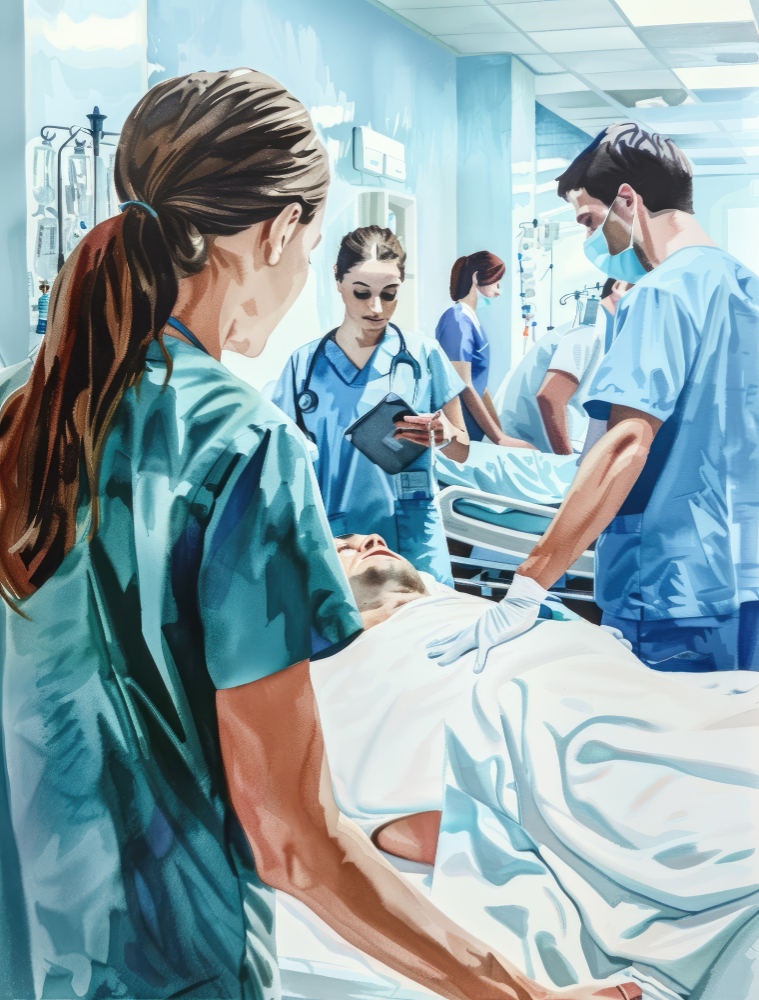
In the heart of every hospital, there lies a space where seconds can save lives-the critical care and emergency units. These are high pressure environments that demand more than just routine care. They need sharp clinical judgement, emotional resilience, and leadership. This is where M.Sc. Nursing graduates from PK Das Nursing College rise above and beyond. At PK Das, we believe nursing is not only about healing, it’s about leading when it matters most. M.Sc. In critical care and emergency settings, where every second counts, M.Sc Nursing professionals play a leading role in saving lives. With advanced clinical skills and leadership training, they go beyond bedside care to manage critical situations, guide junior staff, and coordinate with medical teams. At PK Das Nursing College, our M.Sc Nursing program equips students with the expertise and confidence to take charge in high-pressure environments like ICUs and emergency rooms. These nurses are not just caregivers—they are decision-makers, mentors, and frontline leaders who make a real difference when it matters most.
The Evolving Role of M.Sc Nurses in Critical Settings
Gone are the days when nurses simply followed instructions. Today, M.Sc nurses are recognized as key decision-makers in ICUs and emergency rooms. They play a central role in:
- Monitoring critical patients
- Managing ventilator and life support systems
- Interpreting diagnostic results
- Coordinating interdisciplinary care plans
- Responding to cardiac arrests and trauma emergencies
Their advanced education and hands-on training empower them to lead with both knowledge and confidence.
How M.Sc Nurses Lead in Critical Care: Core Areas
Clinical Expertise
M.Sc nurses are trained in handling complex medical equipment, administering emergency drugs, and performing advanced procedures such as intubation support or central line care. They understand the subtle signs of patient deterioration and can act swiftly to stabilize conditions.
Team Leadership and Coordination
In critical scenarios, a lack of communication can cost lives. M.Sc nurses often take charge of ICU and emergency nursing teams, ensuring clear communication between doctors, junior staff, and technicians. They delegate tasks, ensure protocol adherence, and oversee the quality of care.
Mentorship and Training
Experienced M.Sc nurses mentor interns, junior nurses, and even B.Sc Nursing students during their clinical postings. They help younger professionals gain real-time exposure to high-stress situations and offer guidance in applying theoretical knowledge to practice.
Emotional and Family Support
In critical care, the nurse often becomes the bridge between doctors and families. M.Sc nurses are trained to communicate clearly, explain procedures, provide emotional reassurance, and support grieving families—an often overlooked, yet vital aspect of patient care.
Evidence-Based Practice
Through their research and academic training, M.Sc nurses are familiar with the latest medical guidelines and global standards. They bring evidence-based decision-making into emergency care, improving patient safety and treatment outcomes.
Training at PK Das: Building Critical Care Leaders
At PK Das Nursing College, we go beyond textbook education. Our M.Sc Nursing students receive:
- Clinical postings in multi-specialty ICUs, trauma care, and emergency departments
- Simulation lab training in emergency response, code blue scenarios, and critical interventions
- Workshops on ventilator care, ECG interpretation, and infection control
- Advanced Life Support (ALS) & Basic Life Support (BLS) certification
- Guidance from expert faculty and hands-on mentorship from medical and surgical specialists
This ensures that our graduates are industry-ready from day one, equipped with both the confidence and competence to lead in life-or-death situations.
Career Scope After M.Sc Nursing in Critical Care
With the rise in lifestyle diseases, accidents, and global health challenges like pandemics, the demand for critical care nurses is soaring. M.Sc Nursing graduates can explore roles such as:
- ICU In-Charge or Nurse Supervisor
- Clinical Nurse Specialist
- Emergency Room Coordinator
- Critical Care Educator
- International Nursing Opportunities in the UK, Canada, Australia, and Gulf countries
They are also eligible to move into nursing education, healthcare management, or Ph.D. research, depending on their interests.
Leading With Skill and Heart
Critical care and emergency nursing demand more than clinical knowledge—they require confidence, leadership, and the ability to act swiftly under pressure. M.Sc Nursing graduates from PK Das Nursing College are trained to meet these demands with excellence. Through advanced clinical exposure, expert mentorship, and hands-on experience in high-intensity medical settings, our students evolve into professionals who lead with skill and compassion.
Whether managing life-saving interventions or guiding healthcare teams during emergencies, M.Sc nurses play an irreplaceable role in modern healthcare. At PK Das, we don’t just educate nurses—we empower future leaders who make a difference when it matters most.
